Exhibitors

4iG Group is a Budapest-based, publicly listed technology group and a leading player in telecommunications, IT, space and defence in Hungary and the Western Balkans. It delivers integrated digital infrastructure, connectivity and technology solutions to consumer, business and government clients. With more than 11,000 employees, 4iG builds a regional ecosystem spanning telecom services, data infrastructure and advanced technologies, supporting digital transformation and economic development.

4iG Informatics is Hungary’s leading system integrator, supporting enterprise and government clients with end-to-end digital solutions. With nearly three decades of experience, it delivers infrastructure, cloud, cybersecurity, AI and data-driven systems, alongside bespoke developments. Operating with a vendor-independent approach and strong technology partnerships, the company provides scalable, secure and reliable solutions that support clients’ digital transformation and long-term competitiveness.

4iG Space and Defence Technologies is a Hungarian company within 4iG Group, focused on developing and integrating space, defence and security technologies. Its activities cover satellite systems, unmanned platforms, land systems, weapons technologies and cyber defence. Through the HUSAT programme and international partnerships, the company aims to strengthen regional capabilities and deliver NATO-compatible solutions, bridging Hungarian expertise with global industry players.


AHEAD project develops a simulation environment to optimise the location of electric vehicle charging stations and the use of power grid resources in urban and rural areas. By combining AI, spatial mapping, and smart charging algorithms, it supports efficient, user-friendly, and secure charging for light and heavy-duty vehicles and boats. Solutions are validated in real-life pilots.

ALICE (Alliance for Logistics Innovation through Collaboration in Europe) is a European association of leading logistics innovation stakeholders. With over 220 members, we connect companies, research centres, and policymakers to develop solutions for zero-emission, automated, efficient, agile, resilient, and circular supply chains, inspired by the Physical Internet. At TRA 2026, ALICE showcases collaborative EU innovation in logistics to support the development of climate-neutral and competitive transport systems. Follow us on LinkedIn to stay updated.

Applus IDIADA is a global automotive partner with over 30 years' experience in design, engineering, testing and homologation services. Built on highly experienced engineers, state-of-the-art facilities, and a constant drive for innovation, IDIADA supports clients across the full product development cycle. With 3,400+ professionals in 24 countries, IDIADA is actively involved in EU Research & Innovation actions, currently coordinating the SYNERGIES, CERTAIN and IMPROVA projects.

Since the spin-off in September 2025, AUMOVIO has continued the business of the former Continental Automotive division as an independent company. The technology and electronics company offers a broad portfolio for safe, exciting, connected, and autonomous mobility. This includes sensor solutions, displays, braking and comfort systems, as well as comprehensive expertise in software, architecture platforms, and driver assistance systems for software-defined vehicles.
The main aim of the AutoMoTIF project is to develop strategies, business models, and regulatory recommendations to achieve seamless automation in multimodal freight transport across the intra-European network. It seeks to identify and address regulatory and technological gaps in automated transport systems, enhancing synergies among sectors and stakeholders to improve efficiency, reduce emissions, and lower logistics costs.

AUTOSUP project develops concepts and solutions for autonomous multimodal supply chains, focusing on hub operations within the Physical Internet. Through Living Hub demonstrations, digital twins and a decision-support system to simulate automation scenarios and assess operational impacts, the project supports more efficient, interoperable and sustainable automated logistics systems.

AVL List GmbH (“AVL”), headquartered in Graz, is one of the world’s leading mobility technology companies for engineering, simulation, and testing. AVL develops innovative technologies and development tools for sustainable, safe, and digitally connected mobility. The company focuses on electrification, software, artificial intelligence, and automation. With a holistic approach – from the concept phase to series production – AVL develops solutions for all types of propulsion systems as well as for software-defined vehicles and vehicle software. In addition, AVL supports companies in energy-intensive sectors on their path toward more sustainable energy generation and supply. With around 12,000 employees, more than 90 locations, and over 50 tech and engineering centers worldwide, AVL is driving the mobility transformation.

BMW Magyarország is the Hungarian subsidiary of the BMW Group and is responsible for the import, sales, and aftersales services of BMW, MINI, and BMW Motorrad products. The company serves both private and corporate customers, operating through a nationwide dealer network. In 2025, production at its Debrecen plant started with the BMW iX3 model. The plant is currently the most innovative one within the BMW Group production network representing the next generation of electric vehicles. With a strong focus on innovation, digitalization and sustainable mobility, BMW Magyarország plays a key role in Hungary’s automotive sector.

Bosch Engineering Center Cluj plays an essential role in the major transformation of the mobility sector. Through its extensive expertise in software, hardware & mechanical engineering, reliability engineering, as well as sales planning, the center contributes to the development of innovative products and services based on artificial intelligence (AI) applied in the fields of automated driving, electric and connected mobility.

BRIDGE project supports the implementation of TSI Telematics to enable seamless data sharing across door-to-door intermodal freight transport. It improves interoperability, harmonises processes, and enhances data integration among operators, terminals, and logistics actors. By strengthening digital connectivity, BRIDGE increases efficiency, resilience, and competitiveness of European freight.


Budapest Közút is responsible for the operation and maintenance of Budapest’s road network, including roads, bridges, and traffic control systems, ensuring safe and efficient mobility. Our activities include the production of high-precision geospatial data based on 3D road infrastructure data acquisition, supporting mapping processes and data-driven solutions for urban mobility.

CARMONY project develops a next-generation traffic orchestration framework connecting vehicles, infrastructure and mobility services in real time. Through co-simulation and real-world demonstrations, the project enables more adaptive, efficient and sustainable traffic management across complex urban and highway environments.

The Conference of European Directors of Roads (CEDR) brings together directors-general of national road administrations across Europe. It provides a high-level platform to shape strategies for managing and modernising road networks; represent public authorities in European and international transport debates; coordinate joint research on safety, resilience, digitalisation and climate; and bridge policy with practice. CEDR represents public sector road owners, with authority from national governments.
CLARION project enhances climate resilience of port and hinterland infrastructure through Digital Twins, predictive monitoring and nature-based solutions. Validated in major European ports, it enables ports to anticipate disruptions, maintain operations and reduce environmental impact across infrastructure lifecycles.

CLEVER project develops harmonised, lifecycle-based emission factors across all transport modes, covering conventional and emerging fuels. By standardising GHG calculations, it enables reliable reporting, certification and decision-making, supporting industry and policymakers in implementing credible and comparable decarbonisation strategies.

Automobile Dacia operates its manufacturing plant at Mioveni, producing the brand’s flagship models, Duster and Bigster. The site is supported by the Dacia Design Center and Engineering Center in Romania, where new Dacia models are developed from concept to series production. With total investments of €4.2 billion since 2000, Dacia Romania employs over 11.000 people and represents a strategic hub for Renault Group.

Dahua Technology Hungary is the local representative of Dahua Technology, a global developer of security solutions, operating since 2016. Our main activities include the sale and support of video surveillance systems, access control solutions, and intelligent building technologies. The company serves the Hungarian market with innovative AIoT technologies.
DECARBOMILE project develops zero-emission last-mile logistics solutions by combining micro-hubs, smart lockers, cargo bikes and electric barges within a collaborative digital framework. Through large-scale Living Labs, the project demonstrates scalable, stakeholder-driven models for efficient and decarbonised urban freight systems.

DELPHI project takes a federated approach to improving both passenger and freight transport. By developing an innovative governance model and a Multimodal Passenger and Freight Transport Network of Platforms, DELPHI aims to streamline data sharing and enhance multimodal operations through cutting-edge AI/ML optimisation.

DISCO project focuses on using data-driven and dynamic strategies to advance urban logistics and planning through a Physical Internet-led approach. It develops digitals tools to facilitate data sharing, optimise last-mile deliveries and enable smarter, shared use of urban space for logistics activities.


DriVe2X project accelerates electromobility by advancing Vehicle-to-Everything (V2X) and smart charging solutions. It enables electric vehicles to act as flexible energy assets through bidirectional charging, AI-driven optimisation, and real-life pilots across Europe. By integrating transport and energy systems, DriVe2X enhances grid stability, supports decarbonisation, and develops user-centric, efficient energy ecosystems.


eFTI4ALL project implements the EU eFTI Regulation by deploying interoperable digital platforms and data exchange environments across Member States. Through real operational testing, it enables secure, standardised freight information sharing between operators and authorities, replacing paper processes and improving cross-border efficiency.

eFTI4EU project lays the foundations for EU-wide digital freight information exchange by developing a common eFTI architecture and piloting interoperable Gates across Member States. It enables the transition from paper to secure, standardised and cross-border digital logistics data flows.

eFTI4LIVE project enables large-scale deployment of the eFTI ecosystem by developing certified, interoperable platforms and connecting national systems across Europe. Moving beyond pilots, it ensures trusted digital freight data exchange, supporting compliance, efficient inspections and full operationalisation of the eFTI Regulation.

EIT Urban Mobility, an initiative of the European Institute of Innovation and Technology (EIT), a body of the European Union, aims to accelerate solutions and the transition towards a user-centric, integrated and truly multimodal transport system. As the leading European innovation community for urban mobility, EIT Urban Mobility works to avoid fragmentation by facilitating collaboration between cities, industry, academia, research and innovation to solve the most pressing mobility challenges of cities. Using cities as living labs, its industry, research and university partners will demonstrate how new technologies can work to solve real problems in real cities by transporting people, goods and waste in smarter ways.

ESCALATE project develops zero-emission heavy-duty vehicles for long-haul transport, demonstrating high-efficiency powertrains with up to 800 km range and 500 km daily operation under real conditions. Combining modular powertrains, fast charging, and AI-driven digital twins, it supports seamless fleet integration and logistics optimisation.


The European Automotive Research Partners Association (EARPA) brings together the most prominent independent European R&D providers in the automotive sector. EARPA helps enable organisations to actively contribute to the European Research Area and the future EU research and technological development funding programmes. EARPA currently has 60 members ranging from large and small commercial organisations to national institutes and universities. EARPA is independent from any external body or institute and is only funded by its members’ fees and is governed by an Executive Board and a General Assembly. We work close cooperation with the automotive industry, the automotive suppliers, as well as the European Institutions and the EU Member States.
We connect regions and people, with a clear focus on practicality, efficiency and future-proofing. We are working at full stretch to ensure that mobility meets individual needs, and take a comprehensive and cross-sectoral approach to climate action. Robust railways, climate-friendly vehicles, ships and aircraft, safe cycle tracks and footpaths as well as reliable infrastructure are the key to sustainable mobility and social inclusion.


FEV is a global innovation leader driving progress in mobility, energy, and software. Founded by Prof. Franz Pischinger, FEV combines engineering excellence and strategic expertise to support leading automotive OEMs and shape the future of transportation. With 5.300 employees across 40+ locations, FEV develops intelligent, sustainable solutions for tomorrow’s challenges—advancing cleaner mobility, energy, and software for a better future. #FeelEVolution

FLEXMCS project develops flexible megawatt charging hubs to support electric heavy-duty vehicles across Europe. Combining scalable infrastructure, renewable energy integration, and open software systems, it enables efficient, grid-friendly charging along key transport corridors. Demonstrated in Karlsruhe, the project improves energy efficiency, reduces costs, and supports the deployment of zero-emission logistics systems.
Founded in 1975, the Fliegl Group is a global leader in innovative machinery. Its subsidiary, Fliegl Bau- und Kommunaltechnik, specializes in road construction solutions and is based in Mühldorf am Inn, Bavaria, Germany. The company's signature ASW Asphaltprofi utilizes the patented Fliegl push-off technology, reducing material segregation by up to 80%. This horizontal unloading ensures high homogeneity and superior paving quality even with temperature reduced asphalt, while enhancing safety and durability.


FORTA stands at the forefront of the construction industry as the leading innovator in fiber reinforcement systems and solutions. With a long history of excellence and a strong commitment to advancing construction technology, FORTA specializes in providing high-performance reinforcement solutions across a multitude of applications.

GOLIA project develops a data-driven and socially optimised approach to urban mobility, integrating governance, technology and stakeholder engagement. Through innovative tools and Living Labs, the project supports inclusive, resilient and sustainable transport planning aligned with societal needs and environmental goals.

Green Assistance is a pioneering service provider dedicated to supporting the EV ecosystem. They specialize in on-site emergency charging for electric vehicles, offering a modern alternative to traditional towing. By providing mobile energy assistance, they eliminate "range anxiety" for EV drivers across the country. Their mission is to make sustainable transportation stress-free through a fast, app-based dispatch system and professional roadside support.


GreenTurn project enables zero-emission e-commerce logistics by combining behavioural insights with transparent emission data and collaborative supply chains. Through pilots, it integrates nudging strategies, returnable packaging and flexible delivery options to influence consumer choices and accelerate the adoption of sustainable delivery and return practices.


HOLOGISTICS project accelerates zero-emission, data-driven freight transport by developing interoperable and scalable multimodal logistics solutions. Combining AI, digital twins, automation, and shared resources, it enables efficient and collaborative supply chains based on Physical Internet principles. Validated through large-scale pilots, the project supports decarbonisation, flexibility, and resilience of European logistics.

IKIGAI project accelerates the adoption of the Physical Internet to enable zero-emission, collaborative freight transport. It pilots scalable logistics innovations in areas such as emissions tracking, volume pooling, data sharing, and reusable packaging. By developing common standards and governance models, IKIGAI supports interoperable, efficient, and competitive logistics systems.

IMG Solution Zrt. is an innovative system integrator with over 15 years of experience in the Hungarian ICT market. We provide comprehensive IT solutions, guiding our clients through digital transformation with efficient and cost-effective operational models. Our team of highly skilled experts and customer-centric approach deliver measurable results and sustainable competitive advantages in an ever-evolving digital landscape.

ITS Romania is a non-profit professional association founded in 1999, representative at national level. Our main objective is to promote, coordinate, implement and integrate ITS in Romania, correlated at national level and harmonized at EU level. ITS Romania is a founding member of the Network of National ITS Associations and our 50+ members are covering a wide range of the relevant national stakeholders (including public administrations) in the field of mobility.


Ionova Energy.’s solutions enable location-independent, emission-free power supply.Through their mobile energy storage systems, diesel generators can be replaced, significantly reducing noise pollution as well as CO₂ and other harmful emissions — helping to protect the environment.Their devices are also suitable for fast charging electric vehicles, providing flexible and sustainable energy supply anywhere.

The International Road Assessment Programme (iRAP) is a registered charity with the vision for a world free of high-risk roads. iRAP partners with governments, development banks, mobility clubs, industry, research organisations and road safety NGOs in 140 countries providing them with the free methodology, tools, training, and support to make their roads safer. iRAP’s free Star Rating Methodology provides an objective measure of the level of safety which is ‘built-in’ to the road for vehicle occupants, motorcyclists, bicyclists, and pedestrians.
Jiaxing Diman Information Technology Co., Ltd. was founded in 2025 and located in Nanhu District, Jiaxing, Zhejiang. As a fully operational sole proprietorship enterprise, it takes full advantage of the Yangtze River Delta’s geographic edge. The company focuses on core businesses including exhibition services, corporate planning, information technology as well as cross-border import and export. It offers one-stop services ranging from domestic and overseas exhibition planning and execution, booth arrangement and corporate brand building, to IT consulting and technical promotion. It also holds import and export qualifications, engaging in the wholesale and retail of auto parts, electronic products, office supplies and daily necessities.
Driven by the integrated development of exhibition and information technology, the company boasts a flexible operating mechanism and efficient service response. It dedicates itself to providing tailored comprehensive solutions for government institutions and enterprises. With professional service capabilities and localized resource strengths, Jiaxing Diman steadily consolidates its domestic market layout while actively exploring overseas businesses, striving to grow into a professional and reliable comprehensive service provider integrating exhibition services and cross-border trade.

Linkspower company headquarters is located at No. 1377, Chicheng Road, Nanhu District, Jiaxing City, with a total self-owned plant and office area of 15,000 square meters.
The company is committed to providing customers with safe and reliable products such as small power battery systems and battery swapping systems. Its core team members are from SAIC Motor Corporation Limited, CATL Group and the renowned electric motorcycle enterprise Keeway Group.
Linkspower boasts a global supply system covering battery solutions for automotive start-stop batteries, electric two-wheeler battery, low-speed four-wheeler battery, AGV/UGV battery, golf cart battery, and sightseeing vehicle battery systems. Meanwhile, the company maintains in-depth cooperation with Shanghai Mobihub Automotive Technology Co., Ltd. (founded in 2018 and located in Minggu Science and Technology Park, Hongqiao Business District, Shanghai), and actively expands its product lines and business scope in the automotive aftermarket sector.
Mobihub Automotive Technology Co., Ltd. is a professional provider of overall solutions for intelligent inspection and diagnostic

With headquarters in Jiaxing, China, Jiaxing Stone Wheel Co. Ltd is aprofessional supplier of wheel-end components for medium and heavy-duty trucks and trailers that designs, develops and produces lightweightbrake drums and steel wheels to both original equipment manufacturers(OEM) and aftermarket distributors.All our product lines are designed according to the international qualitystandards and have a high approval in a range of global markets. Ourexcellent facilities and our focus on quality control during the wholeprocess of the production enable us to ensure total customer satisfaction.

Jiaxing Yixia Auto Parts Technology Co., Ltd., established in 2015, is a high-tech enterprise focusing
on the research of material formulations for silicone wipers, as well as the manufacturing and sales of
advanced production equipment. It was awarded the title of National High-Tech Enterprise in 2020 and
won the Third Prize of China Circular Economy Science and Technology Progress in 2021. In the same
year, Jiaxing Yixia Auto Parts Technology Co., Ltd. took the lead in drafting the group standard "Requirements and Test Methods for Silicone Wiper Blades for AutomotiveWindshields" of the China
Association of Automobile Manufacturers (implemented on December 1, 2021). At present, Yixia has
obtained 38 national authorized patents, including 2 invention patents and 6 registered trademarks,
achieving significant breakthroughs in silicone wiper products.
KEYSTONE project develops interoperable digital solutions enabling enforcement authorities to access real-time transport data for compliance checks. Through standardised APIs and real-world pilots, it creates a seamless road and intermodal ecosystem improving transparency, safety, efficiency and regulatory enforcement across European logistics.




Langmatz GmbH is a leading European manufacturer of innovative future-oriented above- and below-ground solutions for broadband networks, electric charging infrastructure, Smart City and traffic systems. Langmatz philosophy is to carry out all processes, from development and design to production and assembly, at its domestic locations. Established in 1963, the company has over 450 employees in its three production facilities in Bavaria, Germany.

LED elektronika Ltd. is a Croatian company specialized in the development, design, production and implementation of advanced LED lighting solutions, electronic systems and intelligent traffic infrastructure. The company has extensive experience in delivering energy-efficient, innovative and customised solutions for infrastructure, industrial and commercial projects, with strong expertise covering the full project lifecycle – from engineering and design to installation, integration and maintenance. In addition, the company develops and implements advanced monitoring and control systems, including SCADA based applications and proprietary software platforms (PrecisionX, PrecisionWall and PrecisionLeap), which enable intelligent management, monitoring and optimisation of traffic and infrastructure systems in real time. The company’s portfolio includes smart public lighting systems, traffic and telematics solutions, as well as integrated applications for data acquisition, system supervision and operational management. Through continuous innovation and the application of modern technologies, LED elektronika provides scalable and user-tailored solutions that increase safety, efficiency and sustainability in modern infrastructure projects.
Founded in 2017, LEKTRI.CO develops smart EV charging solutions designed to make electric mobility safer, simpler, and more accessible. Manufactured in Timisoara, Romania, our certified ONE and TRI AC chargers combine reliable hardware, intelligent energy management, and a distinctive product design created in collaboration with EOOS Austria. With over 10,000 units produced and sold across Europe, Australia, and Tunisia, LEKTRI.CO is now expanding its portfolio with DC fast charging solutions.

Lillyneir Ltd. is a systems engineering company specialising in intelligent transportation systems. We design and implement safe, efficient and sustainable transport infrastructure by combining engineering precision with advanced technologies, including AI-driven traffic management, V2X communication, digital twins and advanced monitoring. Our work helps infrastructure owners worldwide solve complex mobility challenges with practical, scalable solutions.
UEFISCDI hosts M100 – Mirror Mission Cities Hub Romania, the national platform helping Romanian cities transition towards smart and climate-neutral communities. Coordinated at interministerial level, M100 brings together 13 cities — 3 part of the European Mission “100 Climate-Neutral and Smart Cities” and 10 selected nationally — offering access to expertise, funding opportunities, data, and European networks to accelerate climate neutrality by 2035.

MACBETH project develops multipoint megawatt charging hubs for battery electric trucks, supporting the electrification of long-haul transport. Combining high-power charging, smart energy management, and digital tools, it addresses key barriers to large-scale deployment. Demonstrated in Nordic and Benelux regions, MACBETH enables efficient, scalable, and user-centric charging solutions.
MAGPIE project accelerates the transition to green multimodal transport by demonstrating integrated energy supply solutions and digital optimisation in port environments. Through large-scale living labs, it enables the use of alternative fuels and smart coordination across maritime, inland, road and rail logistics systems.
Magyar Közút is one of Hungary’s largest state-owned infrastructure operators, responsible for the operation and maintenance of more than 31,000 km of national roads and 1,100 km of cycle paths. With 5,600 employees, the company ensures safe and efficient traffic flow through road maintenance, winter services, bridge rehabilitation, and modern traffic management solutions.

The MÁV-Group is a transport company owned by the Hungarian state with a history of nearly 180 years.
Among its activities, track operation and passenger transport stand out – provided on the basis of public service contracts concluded with the Hungarian state.
The group of companies also provides various services to freight railway companies and is responsible for ensuring state-owned rural and suburban bus transport.
The structure of the MÁV-Group will carry out its tasks in 1+3 large units from 1 January 2025, thus creating the nation's transport company.
The three large units are track operation, passenger transport and the service center, the activities of which are combined by a central company.
The MÁV Group is a Hungarian state-owned transport company with a legacy spanning nearly 180 years. The organization operates under a "1+3" structure, where a central holding company coordinates three main pillars: infrastructure management, passenger transport, and a shared service center.
As the nation’s leading transport provider, its primary focus remains rail infrastructure and passenger services. Furthermore, the group supports rail freight operators with specialized services and manages the state-owned regional and suburban bus network.
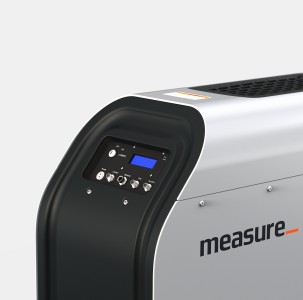

MED COLOURS project supports Mediterranean cities in developing sustainable urban logistics through collaborative planning and innovative solutions. By creating Sustainable Urban Logistics Plans and piloting actions, the project aims to reduce emissions, improve efficiency and enhance the resilience of urban freight systems.
Ministry of Transport and Infrastructure of Romania is the national public authority which establishes the national policy in the field of transportation, the strategy and the specific regulations for the harmonisation and development of transport activities. Our mission is to support the development of a secure integrated transport system that will serve in an efficiently and equitably manner the Romanian population and economy, while protecting the environment, for a sustainable development

MODI project accelerates the deployment of SAE Level 4 automated freight transport through large-scale cross-border demonstrations. Testing autonomous heavy-duty vehicles along a European corridor, the project addresses technological, regulatory and operational barriers to enable safe, efficient and scalable automated logistics.
Founded in August 2025, Mosen (Jiaxing) Intelligent Technology Co., Ltd. is a technology enterprise based in Jiaxing Economic & Technological Development Zone, Zhejiang.
The company specializes in technology development, consulting, transfer and promotion. It is qualified for import and export of goods, technology and food, and provides business agency, exhibition services and sales of diverse products. Driven by technological innovation and leveraging regional advantages of the Yangtze River Delta, Mosen is committed to delivering integrated solutions of technology and trade for global clients with efficient and professional services.
POLITEHNICA Bucharest, officially known as the National University of Science and Technology POLITEHNICA Bucharest, is the largest and one of the most prestigious technical universities in Romania and Eastern Europe. A very important component of the university is the Faculty of Transport which provides education and research activities in areas such as automotive engineering, railway systems, transport management, logistics, traffic engineering, ITS, and sustainable mobility

Navya Mobility develops electric autonomous driving systems for operated environments. Its core technology, Navya Drive, combines perception, localization, trajectory planning, and remote supervision to enable safe driverless operations. It powers both the Autonom® Shuttle for passenger transport and the Autonom® Tract, based on a Charlatte platform for logistics. Designed to be platform-agnostic, it supports scalable deployments across multiple use cases.

NERO project strengthens cybersecurity in logistics by combining a digital marketplace of validated tools with hands-on training and real-world applications. Its integrated ecosystem enables SMEs to assess vulnerabilities, improve resilience and adopt practical cybersecurity solutions across increasingly digital supply chains.

NextETRUCK project advances zero-emission medium-duty freight by developing efficient and affordable electric trucks for (peri-)urban logistics. Combining improved vehicle efficiency, smart charging, and digital fleet management, it supports full electrification of operations. Validated through pilots in the UK, Barcelona, and Istanbul, the project enhances performance, reduces costs, and accelerates market uptake.

NEXTLOGIC project enables cities to design and optimise urban logistics using advanced Digital Twins enhanced with real-time data and Extended Reality. By simulating freight and mobility scenarios, the project supports data-driven decisions on space use, emissions and multimodal integration across diverse urban contexts.

NIRA Dynamics transforms connected vehicles into a real-time road monitoring network. Using millions of vehicles as sensors, we deliver high-resolution insights on friction, road condition, and road health. Our solutions enable data-driven winter maintenance, proactive road repairs, and optimized resource allocation - helping road authorities improve safety, reduce costs, and manage entire networks with continuous, objective data.

The mission of the Hungarian Innovation Agency (NIÜ) is to strengthen Hungary’s innovation ecosystem, enhance its competitiveness, and foster collaboration among its key stakeholders. The agency works closely with startups, investors, innovative SMEs, universities, and research institutions, as well as all actors active in the ecosystem, to support the development of innovation. Its long-term goal is to help position Hungary among the world’s leading innovation-driven countries by 2040.

From 2013 to December 31, 2025 the National Toll Payment Services PLC (NTPS) operated in the user charge- and toll systems as a toll service company, toll charger, bound service provider and toll enforcement supporter. In consequence of the transfer of division, from January 1, 2026 the Hungarian Public Roads Nonprofit PLC took over the public toll collection services, since then the NTPS ensures the coordination of tasks related to the operation and development of the user charge- and toll systems.

OLGA project transforms airports into low-emission, energy-efficient hubs by integrating sustainable aviation fuels, hydrogen, electrification and digital optimisation. Through large-scale demonstrations, it advances circularity, air quality and multimodal connectivity, enabling scalable solutions for climate-neutral airport operations.

OptiPEx is a €4M EU-funded project in which 11 partners from 7 countries collaborate to optimise the passenger experience of public transport. It co-creates ethical, passenger-aware services and adaptive vehicle technologies to improve comfort, safety, and accessibility. Solutions are validated in living labs in Austria, Finland, Germany, and Spain. Improved service quality and passenger satisfaction will accelerate the adoption of automated public transport and enhance its sustainability.


We are a traditional family business headquartered in Siegen, Germany, and the oldest German manufacturer of steel barrier systems. We offer a full suite of Vehicle Restraint System (VRS) products including all containment levels of European Norm EN1317, single-sided, double sided safety barriers, bridge parapets, end terminals, crash cushions and other associated items such as motorcycle protection systems, barrier reflectors and wooden guardrails.

Pforzheim University, founded in 1877, is one of the largest universities of applied sciences in southern Germany, with around 6,200 students. Its three schools of Design, Engineering, and Business combine creativity, technical precision, and management expertise. Strong industry links and applied research create real-world impact. Key focus areas include sustainable mobility, transport innovation, and automated driving.

PILOTS project develops a modular and scalable architecture to enable secure, decentralised data and process sharing across logistics stakeholders, supporting the Physical Internet. Through real-world Living Labs, it validates interoperable tools, governance models, and event-based collaboration. The project fostersaims to transparent, connected, and efficient supply chains.

PIONEERS project accelerates port decarbonisation through large-scale demonstrations of clean energy, digitalisation and circular infrastructure solutions. Across four ports, it validates innovations such as hydrogen-powered equipment and AI-driven optimisation, delivering a Green Port Master Plan for scalable, low-emission port transformation.

PNO Innovation is a leading European innovation and funding consultancy with over 40 years of experience supporting organisations in turning ideas into impactful projects. We support the full innovation lifecycle, from strategy and project development to funding acquisition and implementation, connecting innovation to sustainable growth and societal progress.

Porsche Hungaria in the last three decades has become one of the most influential players in the Hungarian automotive industry, distributing the Volkswagen, VW Commercial Vehicles, Audi, Škoda, SEAT, and CUPRA brands, as well as Das WeltAuto, and MOON, which is responsible for charging solutions. With our entities at Budaörs like the Parts Center, the Innovation a Training Center, the MOONCITY Test Drive Center and the Das WeltAuto Centrum, we can say, that Porsche Hungaria is far more than just a car importer.

PPC Blue Romania is part of the PPC Group, a leader in the energy sector in South-Eastern Europe, committed to sustainable development and environmental protection.
Electric mobility plays a central role in this vision for the future. In Romania, PPC Blue offers integrated electric mobility solutions to residential customers, companies, and public institutions and operates over 1,100 fast and ultra-fast charging points across all counties.

RADCOM is a Romanian IT company established in 1993, developing software and hardware solutions for sectors such as public transport, healthcare and banking. Its main focus is public transport, with products including EMV L3 validators, onboard computers, passenger information displays, and software platforms: ACB fare collection system OptiFare, fleet management and dispatching system iFleet and passenger information and route planner eXact. We have delivered projects in over 30 Romanian cities

RISE-SME project strengthens supply chain resilience for SMEs by developing risk-driven models, assessment tools and collaborative ecosystem strategies. By mapping critical dependencies and advanced technologies, the project enables SMEs to anticipate disruptions, optimise operations and build more adaptive and robust supply chains.

SafeFleet is a fleet management telematics company that provides integrated solutions for real-time GPS tracking, fuel consumption monitoring, remote tachograph data download, and road toll payments. It helps companies optimize costs, improve driver safety, and streamline operations through detailed reports and smart alerts.

SARIL project strengthens the sustainability and resilience of logistics networks by integrating environmental and risk-based approaches. It develops models and indicators to assess system robustness, disruptions, and environmental impact across regional to EU levels. By addressing vulnerabilities and supporting greener freight transport, SARIL enhances the reliability and sustainability of supply chains.

SEAMLESS project develops autonomous waterborne freight services for short sea and inland transport, combining automated vessels, remote operation centres and digital logistics systems. Through real-life demonstrations, the project aims to enable safe, efficient and scalable multimodal operations while reducing congestion and emissions


Shift2Zero project develops purpose-built electric light commercial vehicles for zero-emission urban logistics. Through modular design and user-driven innovation, the project improves delivery efficiency, reduces costs and supports the large-scale adoption of sustainable last-mile solutions aligned with evolving urban requirements.

STARGATE project accelerates sustainable airport operations through electrification, hydrogen solutions and integration of sustainable aviation fuels. Using Digital Twin technology, it enables airports to simulate and optimise energy use, emissions and multimodal connectivity, supporting scalable decarbonisation across the aviation ecosystem.
Magyar Suzuki Corporation was founded in 1991 and remains the company’s only European manufacturing site. Production at the Esztergom plant began in 1992, where the Vitara and the new S-CROSS models are currently produced. Besides manufacturing vehicles for domestic and export markets, the company also sells motorcycles and outboard engines. The outboard motor division plays a leading role in the motorization of boating in Hungary, while Suzuki is also a key player in the regional motorcycle market.

The European Commission’s Transport for Europe stand brings together the Directorate-Generals for Mobility and Transport, Research & Innovation, the European Climate, Infrastructure and Environment Executive Agency, and the Joint Research Centre. The aim is to showcase European research projects in transport and mobility supported by the latest EU R&I Framework Programme -Horizon Europe. Linked to the Clean Aviation, Clean H2, EU Rail and SESAR exhibition area, the stand also hosts lunchtime sessions on transport policy and innovation.

TRANSCEND project enhances resilience of freight transport infrastructures through a digital Control Tower platform integrating AI, data analytics and real-time monitoring. By detecting and predicting cyber and physical threats, it enables coordinated responses and strengthens security across multimodal logistics networks.

UITP is the International Association of Public Transport and a passionate champion of sustainable urban mobility. Established in 1885, we have been sharing insights and experience, inspiring innovation, and shaping the future of urban mobility for more than 140 years. Today we bring together 2,000 authorities, operators, industry suppliers, academics and policy makers from around the world, and together with these members, we advance public transport through advocacy, knowledge and networking. Every day we make a difference for our members and for the wider sustainable transport community.

Large-scale deployment of automated vehicles (AVs) in public transport is within reach, but key challenges remain. While past initiatives tested AVs, the next step is achieving economically viable, scalable, user-centric shared fleets. ULTIMO is paving the way through a holistic, cross-sector approach, enabling inclusive, on-demand, and door-to-door automated public transport solutions.

UNCHAIN project develops data-driven sustainable urban logistics services. Through 12 dedicated tools, it enables dynamic curbside management, UCC planning and policy simulation, helping cities and operators optimise space use, reduce congestion and improve sustainability.

VERA – Vehicle Emission Retrofit Activities is an EU-funded Horizon Europe project developing, demonstrating and optimizing innovative retrofit systems and solutions to reduce tailpipe emissions from road vehicles and brake particles from road and rail vehicles. The developed systems achieve >90% reduction of particles from both tailpipe and brakes, while also reducing substantially NOx and eliminating NH3 emissions. The consequent positive health impacts combined with the adaptability of the systems across a wide range of applications conclude to cost-beneficial implementation on modern road and rail fleets.

VERT is exhibiting the VERT GPF-retrofit system within the HORIZON Europe AeroSolfd Project - Fast track to Cleaner Mobility by Filtration - AeroSolfd is the "sister project” of VERA . The name AeroSolfd stands for: Fast track to cleaner, healthier urban Aerosols market ready Solutions for: (1) tailpipe (2) brake systems (3) (semi-)closed environments of retrofit Filtration Devices. The VERT GPF-retrofit system for gasoline vehicles applications, developed at TRL8 within the AeroSolfd project, aims to a widespread introduction of GPF to reduce nanoparticle emissions from high mileage in-use vehicles, to improve immediately air quality in urban congested areas; the VERT GPF-retrofit systems for gasoline applications is a fast and cost-effective solution for cleaner mobility. It reduces immediately the harmful nanoparticle emissions in urban areas. The GPF-retrofit system shows filtration efficiency over 95% and up to 99%.
Voltrelli is the future of electric mobility — a smart, seamless charging network spanning two continents. From Romania to the world, we connect EV drivers to nearly 800 stations in over 100 locations, powered by clean, green energy. One app. Instant access. Effortless charging. With over a decade of innovation and 50,000+ drivers served, Voltrelli isn't just charging cars — it's charging the movement.


Zhejiang WRT Automation Technology Co., Ltd. was founded in Shanghai in 2006 and has been deeply engaged in the intelligent manufacturing industry for nearly two decades. In 2016, the company officially established its headquarters in the Jiashan Sino-Singapore Industrial Park, Zhejiang Province — a core demonstration zone for the integrated development of the Yangtze River Delta region. The manufacturing facility covers nearly 30 mu, with a total construction area exceeding 20,000 square meters.
Driven by a global development strategy, the company continues to expand and optimize its domestic and international presence. In China, WRT has established a sales and R&D center in Shanghai, subsidiaries in Guangxi and Shaanxi, and a branch office in Beijing. Overseas, the company has set up branches in Japan and Slovakia, building an integrated global service and marketing network with coordinated domestic and international operations.
WRT possesses strong capabilities in R&D, engineering design, precision manufacturing and assembly, as well as full life-cycle technical services. The company is equipped with professional R&D laboratories, standardized testing centers, and talent development bases, forming an integrated ecosystem that combines innovation, manufacturing and talent cultivation.
The company’s core business areas include automated production lines and intelligent equipment, smart logistics systems, MOM (Manufacturing Operations Management) platforms, AI-based visual inspection systems, and digital twin factories. WRT provides comprehensive end-to-end technical solutions covering customized solution design, system integration, software development, installation & commissioning, and after-sales operation and maintenance services.
Leveraging reliable product quality and continuously evolving innovative technologies, WRT delivers customized intelligent factory solutions for industries including automotive components, new energy battery/motor/electronic control systems and energy storage, automotive electronics, and remanufacturing of automotive parts.
Empowered by advanced intelligent manufacturing capabilities, WRT is committed to driving industrial upgrading and supporting the high-quality and sustainable development of intelligent manufacturing across various industries.

XL-CONNECT project advances smart and bidirectional EV charging (V1G/V2G/V2X) by optimising the full charging ecosystem, from energy supply to user interaction. Combining digital twins, interoperable systems, and real-world pilots across Europe, it enables efficient EV integration, enhances grid stability, and supports renewable energy use.

ZEFES project accelerates the adoption of zero-emission long-haul freight by developing flexible vehicle platforms with modular battery and fuel cell powertrains. Through large-scale demonstrations across Europe, it validates efficient, reliable, and scalable solutions for heavy-duty transport. The project supports fleet integration, charging infrastructure, and digital tools, advancing climate-neutral logistics.

Founded in 2013, Zhejiang Fangxiang Industrial Co., Ltd. is a high-tech enterprise specializing in the manufacturing of passenger car steering wheels and interior wrapping products. Adhering to the spirit of craftsmanship, the company has independently developed China’s first wooden steering wheel, undertaken the industrialization project under the National 863 Program, and become one of the largest private manufactuers of passenger car steering wheels in China.
With a sound management system, the company has passed certifications including IATF 16949 Quality Management System, Environmental Management System and Occupational Health and Safety Management System. It has successively been recognized as a Jiaxing Green Factory, a Specialized, Sophisticated, Unique and New Small and Medium Enterprise in Zhejiang Province, and a National-level Specialized, Sophisticated, Unique and New "Little Giant" Enterprise. The company owns 1 trademark, 15 invention patents, 77 utility model patents and 14 software copyrights. It has participated in formulating 1 national standard and taken the lead in drafting 2 group standards. Its industrial bases are located in Zhejiang, Jiangsu, Anhui and other provinces, with four manufacturing plants.

Zhejiang Hongli Auto Parts Group Co., Ltd. is headquartered in Pinghu City, Zhejiang Province and was founded in 1987. It has grown into a specialized and sophisticated high-end manufacturing group focusing on automotive chassis components.
The Group currently has three production bases with a total area of 133,708 square meters, located in Pinghu (Jiaxing), Changxing (Huzhou) and Thailand respectively. It owns more than 10 subsidiaries including Zhejiang KangPuRui Auto Parts Co., Ltd.(KPR), Zhejiang Defu Precision Drive Manufacturing Co.,Ltd.(DFD), Zhejiang Hongli Auto Parts Co., Ltd. and Hongli Auto Parts (Thailand)Co.,Ltd., with an annual output of over 88 million products.
The Group’s products are supplied to well-known domestic and foreign manufacturers such as SDS, Nexteer, IFA and NTN, and are applied to various vehicle models of Volkswagen, GM, Mercedes-Benz, BMW, Audi, Honda, BYD, Chery and other brands. Highly recognized by customers, the Group has successively received honors including the Quality Excellence Award, Service Excellence Award, Strategic Cooperation Award and Cost-Effective Supplier issued by its customers.

Zhejiang Honglong Machinery Co., Ltd. is a national high-tech enterprise integrating R&D and manufacturing, and a provincial-level "Specialized, Sophisticated, Unique and New" enterprise. Boasting a solid industrial foundation and good market reputation, the company maintains stable and sustainable development. It owns Class II Confidentiality Qualification for Weapons and Equipment Scientific Research and Production, strictly complying with confidentiality regulations to ensure reliable cooperation security. Continuously investing in technological innovation, it was recognized as a Provincial Enterprise R&D Center in December 2025, making outstanding achievements in core technology research and new product development. The company has passed ISO 9001 and IATF 16949 quality system certifications. It is equipped with over 230 sets of advanced equipment such as CNC machine tools, high-precision grinding machines, vertical machining centers and anodizing production lines. With a complete testing system and full processing capacity, it can fully meet diversified production demands from all walks of life.
We sincerely look forward to deepening cooperation with more high-quality enterprises, jointly achieving win-win development of "1+1 > N" and creating a more brilliant future together!

As a leading manufacturer of ignition coils in China, Zhejiang Jiaruncheng Automotive Parts Co., Ltd. has been deeply rooted in the ignition coil field for over 25 years, boasting rich experience in ignition coil production and export, with products sold far and wide in the European market. Our products are of stable quality, and all coils come with a two-year warranty.
Our Advantages:
- Quality Assurance: We obtained IATF16949 quality management system certification as early as 2006. From raw materials to finished product export, every product undergoes 100% inspection through six processes: incoming material inspection, primary/secondary coil inspection, semi-finished product testing, finished product testing, and packaging inspection. Additionally, we provide a two-year warranty for each product.
- 25 years of experience in exporting to high-end European and American markets and global well-known brands;
- More product options: Currently, our production line offers over 900 models, covering all vehicle series brands such as Japanese, Korean, American, and European cars.
- Low minimum order quantity requirements.
- Fast delivery: Most vehicle models have regular inventory, enabling us to quickly and efficiently meet customer needs.
- We have an excellent R&D team that can launch 30-50 new products each year.

The Waterborne Technology Platform (TP) brings together all stakeholders from across the waterborne value chain, including shipowners, shipbuilders, equipment manufacturers, ports, classification societies, energy, infrastructure and service providers, universities, and research institutes, ensuring that Research, Development and Innovation priorities (RD&I) and their effective deployment, reflect both industrial needs and policy objectives. In addition, the Waterborne TP coordinates the private side of the Co-Programmed Partnership on Zero-Emission Waterborne Transport.
Waterborne TP includes over 120 members, representing 19 EU Member States and four European countries associated to Horizon Europe.


Cookie Notice
This website uses only cookies that are strictly necessary for its operation. These cookies are essential to provide the requested service and cannot be disabled. For more information, please refer to our Cookie Policy.